Featured
Unknown Facts About Measures You Can Take Following The R...
7 Simple Techniques For True Testimonials of Debt Relief ...
The Buzz on Does I’m Not Behind on Payments Yet. Can I St...

Not known Details About Is It Worthwhile Compared to Self...
The Real Expense of Disregarding Debt: Exactly How Specialist Counseling Providers Are Changing Financial Recovery
Table of Contents
- – The Growing Demand for Debt Forgiveness Solutions
- – Bankruptcy Therapy: The Misunderstood Safeguard
- – Contrasting Your Financial Obligation Alleviat...
- – What Establishes Nonprofit Therapy Apart
- – Indication of Predative Financial Debt Relief ...
- – Taking the Very First Step Towards Recovery
- – The Course Forward
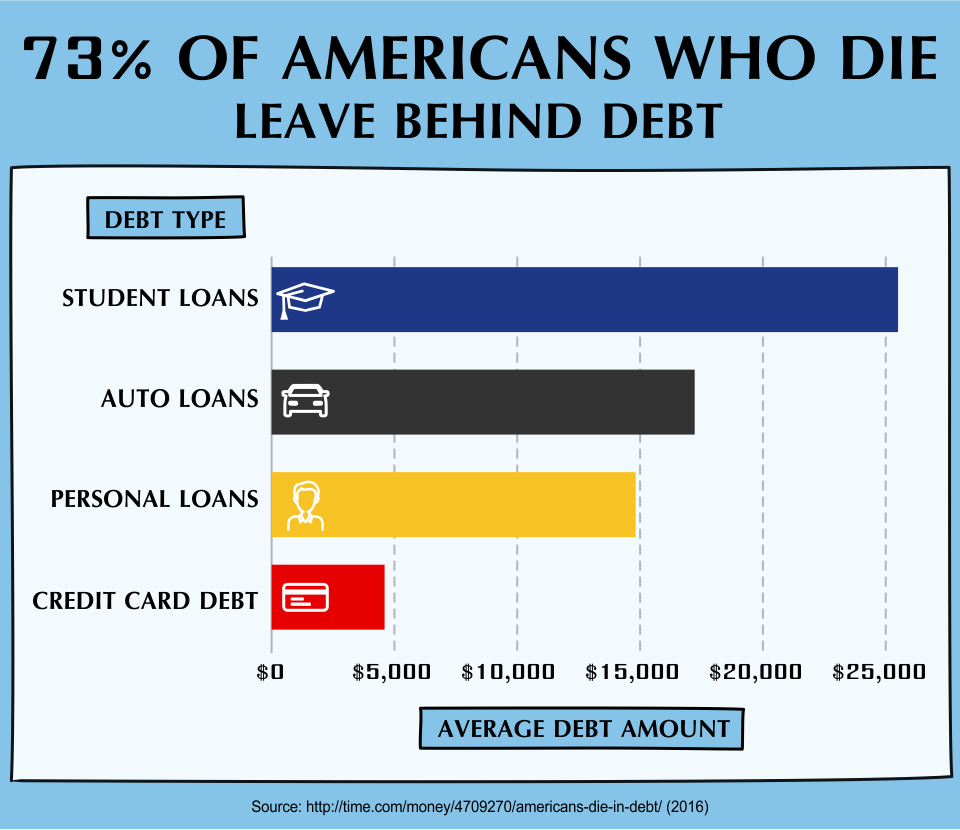
Monetary stress has actually ended up being a defining attribute of modern American life. With overall charge card financial obligation going beyond $1.21 trillion and the ordinary cardholder owing more than $6,500, countless people discover themselves caught in cycles of minimum settlements and intensifying rate of interest. When credit report card rate of interest hover around 23%, also small balances can swell right into overwhelming concerns within months.
For those drowning in the red, the concern isn't whether to seek aid-- it's discovering the appropriate kind of help that won't make matters worse.
The Growing Demand for Debt Forgiveness Solutions
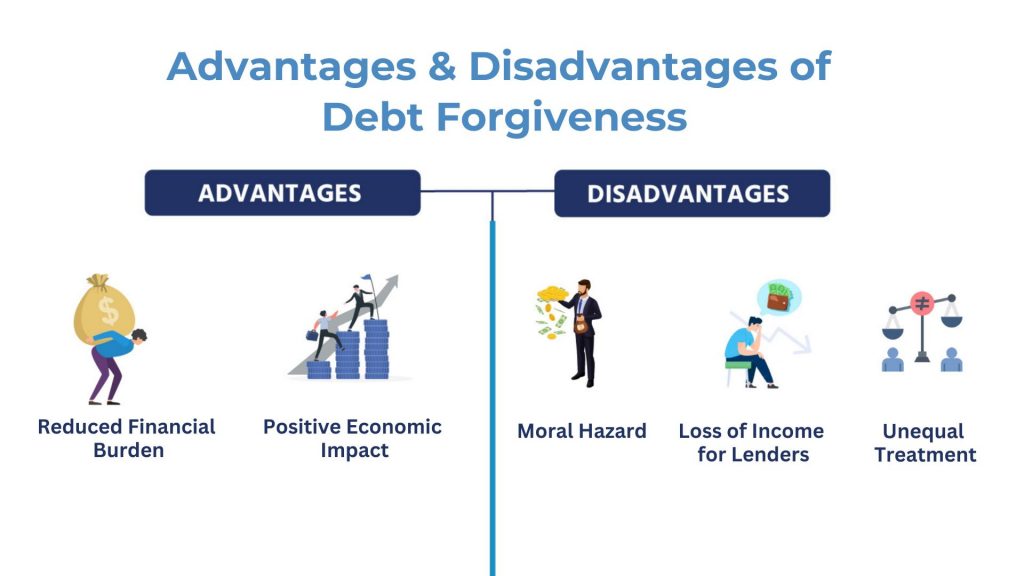
Financial obligation mercy has arised as one of one of the most searched financial topics online, and for good factor. The concept of resolving financial debts for less than the full amount owed offers real want to individuals who see no reasonable path to paying their balances in full.
The procedure normally works like this: when bank card accounts go unpaid for 120 days or more, lenders commonly charge off the financial obligation. At this phase, they may approve reduced settlements to recuperate a minimum of a part of what's owed. Successful negotiations can decrease equilibriums by 30% to 50%, depending on the financial institution and your demonstrated monetary hardship.
Financial debt mercy isn't complimentary cash. Cleared up accounts appear on credit score records as "" paid less than complete equilibrium,"" which influences your rating. In addition, forgiven amounts going beyond $600 might be reported to the internal revenue service as taxed earnings. Understanding these trade-offs before seeking settlement is vital.
Bankruptcy Therapy: The Misunderstood Safeguard
Personal bankruptcy carries considerable preconception, yet it stays a legit legal tool designed to give overloaded individuals a genuine clean slate. What lots of people don't understand is that federal regulation needs 2 counseling sessions before and after filing-- and these sessions exist particularly to ensure you're making an educated choice.
Pre-bankruptcy credit history therapy involves a comprehensive testimonial of your earnings, debts, and expenditures. Qualified counselors existing options you could not have considered, including financial obligation management programs or difficulty negotiations. This isn't regarding discouraging personal bankruptcy; it has to do with verifying it's truly your ideal option.
Post-bankruptcy borrower education prepares you for financial success after discharge. You'll learn budgeting methods, saving approaches, and debt restoring comes close to made to avoid future economic troubles.
Organisations like APFSC deal both called for courses, with charges around $19.99 per session unless you get challenge waivers. Their licensed therapists offer same-day certificates, and sessions generally run 60 to 90 mins. This ease of access matters when you're already stressed concerning financial resources.
Contrasting Your Financial Obligation Alleviation Options
Recognizing the landscape of debt relief helps you make informed choices. Each approach lugs unique advantages and downsides.
Financial Obligation Administration Programs consolidate several unprotected financial obligations into solitary monthly repayments. Therapists negotiate with lenders to possibly decrease interest prices without requiring brand-new lendings. The majority of clients total these programs within three to 5 years. The main benefit is paying debts in complete while minimizing overall passion paid.
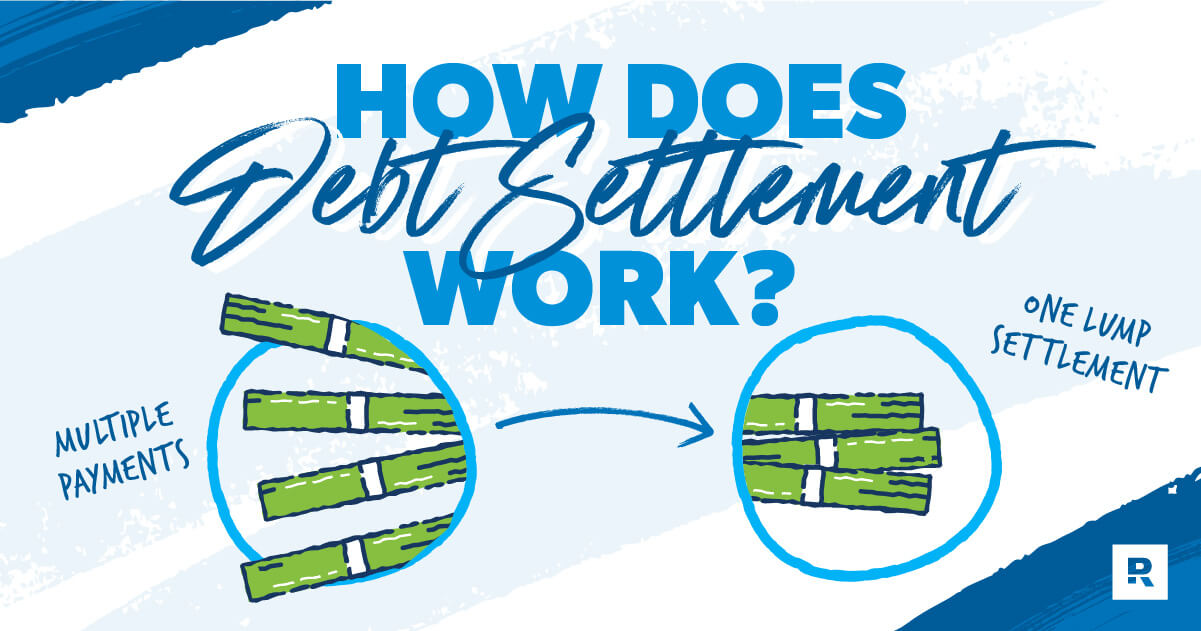
Debt Negotiation discusses reduced payoff amounts, normally 30% to 50% much less than owed. This technique requires stopping repayments to creditors while gathering settlement funds, which damages credit history during the procedure. Outcomes vary based upon financial institution determination and your shown hardship.
Bankruptcy gives court protection while removing or restructuring financial debts. Chapter 7 liquidates specific assets to release unsecured financial debts swiftly. Phase 13 establishes three-to-five-year payment plans for those with normal earnings. Insolvency remains on credit report reports for 7 to 10 years but uses one of the most comprehensive fresh start.
Credit history Counseling provides education and learning and guidance without necessarily enrolling in official programs. Licensed therapists evaluate your full financial photo and recommend suitable next actions, which might consist of any of the above alternatives.
What Establishes Nonprofit Therapy Apart
The distinction between not-for-profit and for-profit financial obligation alleviation firms matters significantly. Nonprofit agencies like those licensed by the National Foundation for Credit Score Counseling (NFCC) operate under stringent honest standards and cost laws. Their counselors go through strenuous certification and must recertify every 2 years.
For-profit financial debt settlement firms, conversely, might bill costs ranging from 15% to 25% of registered financial obligation equilibriums. Some use aggressive sales strategies and make impractical pledges about results. The Consumer Financial Defense Bureau has documented various issues regarding predatory methods in this sector.
APFSC runs as a nonprofit therapy company, offering complimentary financial obligation monitoring examinations and managed charges for ongoing services. Their HUD-approved real estate therapists add value for those facing foreclosure alongside basic financial debt concerns. Services are readily available in English, Spanish, and Portuguese, broadening access to underserved communities.
Research sustains the performance of not-for-profit counseling. A research appointed by the NFCC found that credit rating therapy clients minimized revolving financial obligation by $3,600 greater than comparison groups during the 18 months following their sessions. Nearly 70% of participants reported better finance and higher economic self-confidence.
Indication of Predative Financial Debt Relief Services
Not all debt relief firms have your benefits in mind. Acknowledging warnings safeguards you from making a tight spot even worse.
Be cautious of business that ensure certain outcomes. No reputable solution can guarantee specific settlement portions or timeline guarantees due to the fact that outcomes depend on private creditors and circumstances.
Prevent any type of business demanding large in advance costs before giving solutions. Legit nonprofit counseling supplies complimentary first assessments, and for-profit negotiation companies are legitimately prohibited from collecting fees up until they effectively resolve a minimum of one financial obligation.
Question any individual recommending you to stop connecting with financial institutions completely without discussing the consequences. While calculated communication pauses sometimes support negotiations, complete evasion can result in legal actions, wage garnishment, and additional damages.
Legit agencies discuss all choices truthfully, consisting of choices that may not entail their paid services. If a business pushes just one service no matter your circumstance, look for support in other places.
Taking the Very First Step Towards Recovery
Financial recuperation starts with straightforward evaluation. Gather your latest declarations for all financial obligations, calculate your total obligations, and examine your sensible month-to-month payment ability. This info develops the structure for any kind of efficient therapy session.
Think about scheduling cost-free appointments with multiple nonprofit companies prior to committing to any type of program. Contrast their suggestions, fee frameworks, and communication styles. The right therapy connection need to really feel supportive as opposed to pushing.
Organisations like APFSC provide on the internet chat, phone appointments, and comprehensive intake processes created to understand your one-of-a-kind situation before recommending options. Their debt monitoring calculator helps you imagine prospective timelines and cost savings prior to enrolling.
The Course Forward
Overwhelming financial debt does not define your future-- however ignoring it will. Whether debt mercy, bankruptcy therapy, or organized financial debt administration makes sense for your situation depends on variables special to your situations.
Specialist support from certified not-for-profit therapists lights up options you could never ever discover separately. These services exist especially to assist people like you navigate intricate economic difficulties without aggressive costs or unrealistic guarantees.
The typical American having problem with debt waits far also lengthy before seeking aid, enabling rate of interest to compound and alternatives to narrow. Every month of delay prices money and prolongs your recuperation timeline.
Importance of Financial Literacy for Better Management : APFSCYour very first conversation with a certified counselor costs absolutely nothing but might change every little thing. Financial liberty isn't booked for the lucky-- it's offered to anybody prepared to take that first action towards recognizing their choices and committing to a reasonable plan.

Table of Contents
- – The Growing Demand for Debt Forgiveness Solutions
- – Bankruptcy Therapy: The Misunderstood Safeguard
- – Contrasting Your Financial Obligation Alleviat...
- – What Establishes Nonprofit Therapy Apart
- – Indication of Predative Financial Debt Relief ...
- – Taking the Very First Step Towards Recovery
- – The Course Forward
Latest Posts
Unknown Facts About Measures You Can Take Following The Role of Mental Health in Financial Stress & How to Cope

7 Simple Techniques For True Testimonials of Debt Relief Users
The Buzz on Does I’m Not Behind on Payments Yet. Can I Still Enroll in a Debt Relief Program? : APFSC Right for Your Family
More
Latest Posts
Unknown Facts About Measures You Can Take Following The Role of Mental Health in Financial Stress & How to Cope
7 Simple Techniques For True Testimonials of Debt Relief Users
The Buzz on Does I’m Not Behind on Payments Yet. Can I Still Enroll in a Debt Relief Program? : APFSC Right for Your Family